Choosing Coconut Wax for Candle Making
Coconut wax is used in various formulations for candle production. Depending on its composition, it may offer different properties in terms of texture, hardness, container adhesion and cooling behaviour. Choosing the right coconut wax for candles therefore depends on the intended application, the wax formulation and the requirements of the manufacturing process.
Coconut Wax for Container Candles
For scented candles poured into glass jars, ceramic vessels or other containers, it is important to select a wax specifically formulated for container filling.
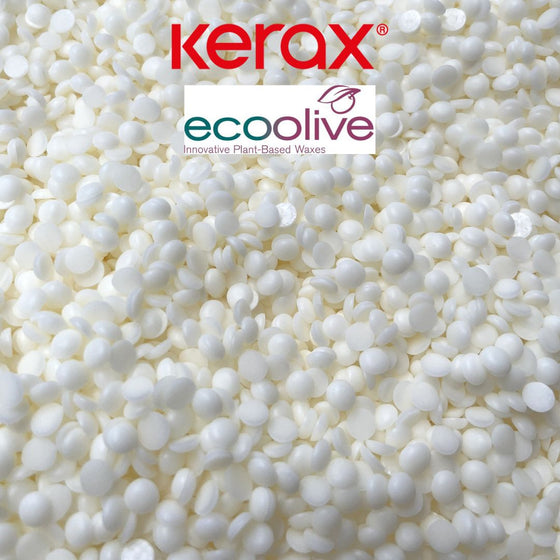
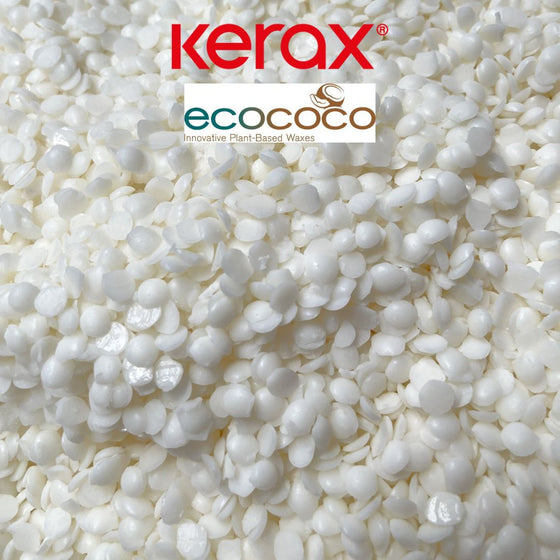
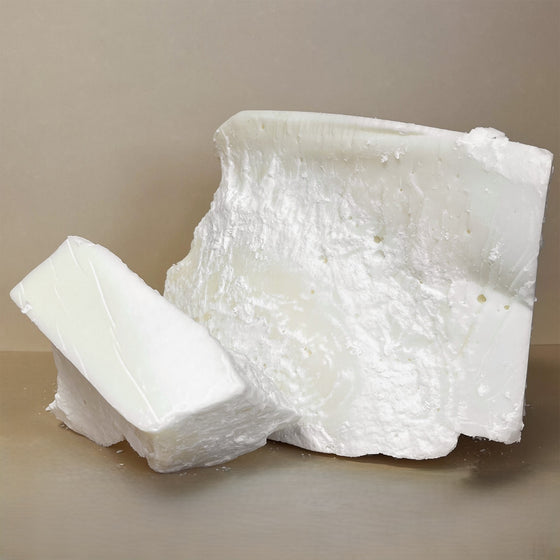
Kerax EcoCoco coconut wax pastilles and Coconut Wax 33 blocks are available from Candelis for container candle production.
These two waxes are supplied in different forms: EcoCoco as pastilles and Coconut Wax 33 as blocks. Their pouring behaviour, appearance after cooling and processing conditions should be assessed using the technical data sheet for each grade.
Can Coconut Wax Be Used for Moulded Candles?
Moulded candles require a wax that provides sufficient structural stability after cooling and behaves appropriately during demoulding. Coconut wax formulations intended for container candles are therefore not automatically suitable for this application.
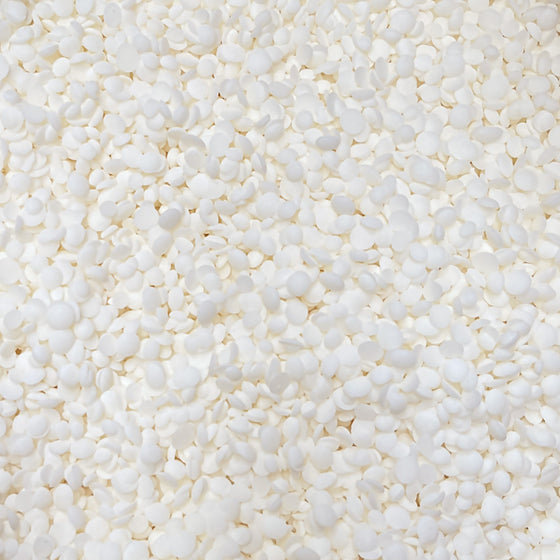
Candelis also offers rapeseed-copra wax pastilles for moulded candles. This formulation combines rapeseed wax with copra, a raw material derived from coconut.
When selecting wax for moulded candles, manufacturers should consider hardness, shrinkage during cooling and the shape and dimensions of the finished candle.
Coconut Wax vs Soy Wax: What Are the Differences?
Coconut wax and soy wax are both plant-based raw materials used in candle making. However, their properties depend on their composition and on any additional plant-based waxes or additives included in commercial formulations.
To compare these waxes, manufacturers should examine their cooling behaviour, adhesion to containers, surface finish and recommended processing conditions. Some formulations combine several plant-based materials to achieve properties suited to specific applications.
To explore other options, browse our soy wax for candle making collection and our range of plant-based candle waxes.
Technical Properties to Compare When Choosing Coconut Wax
Before selecting a coconut wax for artisan or industrial candle production, several factors should be considered:
- Recommended application: container candles, moulded candles or other manufacturing processes.
- Wax composition: coconut wax or blends of different plant-based raw materials.
- Thermal properties: melting point, drop point or other data specified in the technical data sheet.
- Processing temperatures: melting, fragrance incorporation and pouring temperatures, according to the manufacturer's recommendations.
- Cooling behaviour: container adhesion, shrinkage, surface appearance and candle stability.
- Packaging: pastilles or blocks, supplied in cartons or bags depending on the product.
These characteristics allow manufacturers to compare wax grades using reliable technical criteria. Before starting production, testing should be carried out with the selected wax, fragrance, wick and container or mould.
Coconut Wax Supply for Professional Candle Makers
Candelis supports artisan candle makers, candle brands and industrial manufacturers in sourcing their raw materials. Our coconut-based wax range includes grades supplied in professional 20 kg packaging, as pastilles or blocks depending on the formulation.
Choosing the right grade involves considering its intended application, technical properties, production volumes and the requirements of each manufacturing process.
To explore additional raw materials, browse our full range of candle-making waxes.
*Looking for a coconut wax supplier for your candle production? Contact our team to discuss your requirements and request a personalised quotation.